

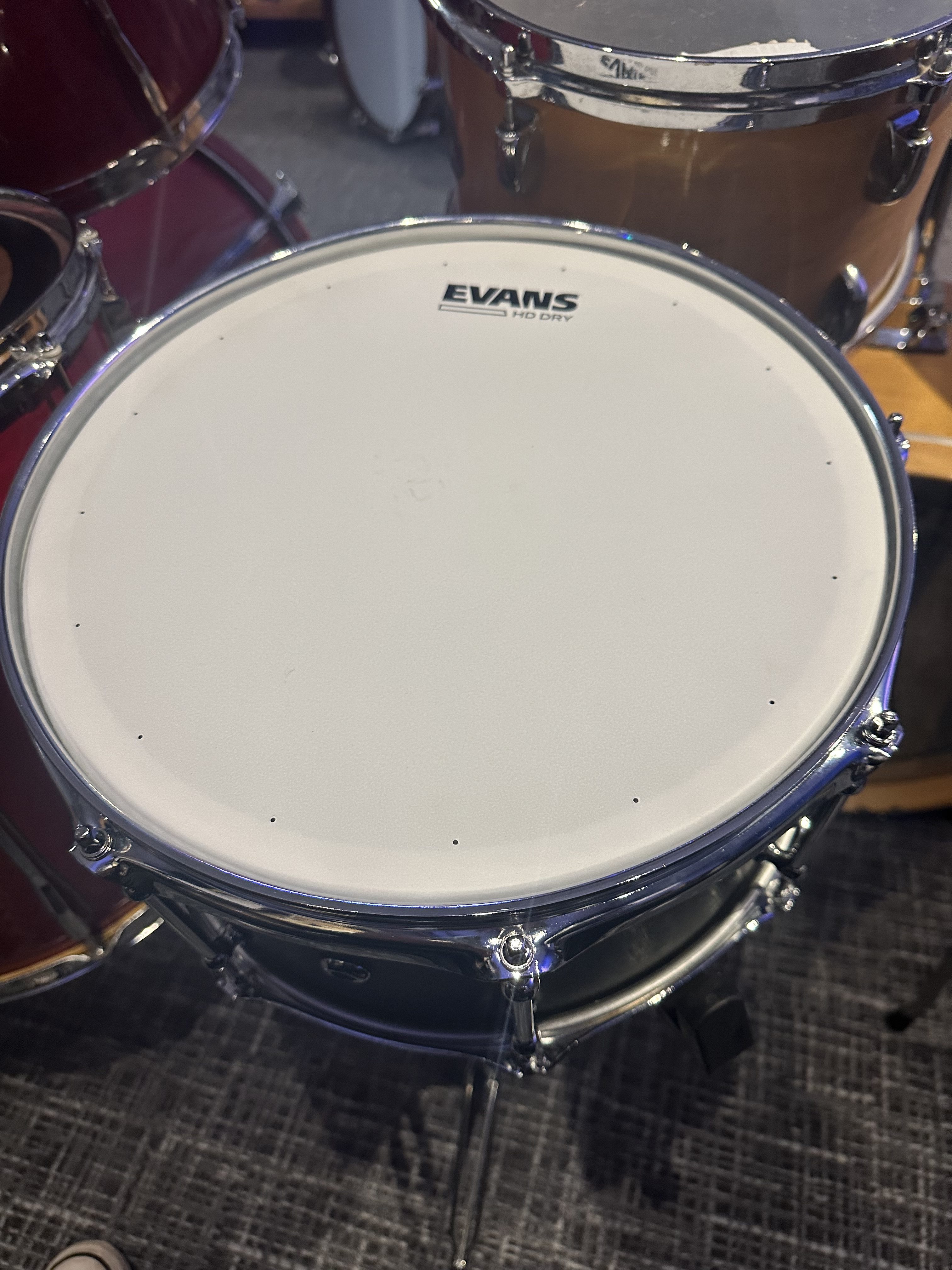
What are the fundamental differences between single-ply and double-ply drumheads, and how do these differences generally translate to sound and durability?
Single-ply drumheads, as the name suggests, consist of a single layer of Mylar film. This construction allows them to vibrate more freely, producing a brighter, more resonant tone with a longer sustain. They are often favored for their sensitivity and responsiveness, making them ideal for lighter playing and genres where tonal clarity is paramount, such as jazz or lighter rock. However, their thinner construction makes them less durable and more prone to denting or breaking under heavy playing. Double-ply drumheads, on the other hand, feature two layers of Mylar film. This extra layer adds significant durability, allowing them to withstand harder hitting and higher tunings without damage. Sonically, double-ply heads tend to produce a deeper, more controlled sound with a shorter sustain and fewer overtones. They are a popular choice for rock, metal, and other heavier genres where power and a focused sound are desired.

How does the thickness of a drumhead influence its sound and feel, and what are some common thickness designations you might encounter?
The thickness of a drumhead plays a crucial role in its sonic characteristics and playing feel. Thinner heads (often designated as “thin” or around 7-mil thickness) resonate more readily, offering a very sensitive response and a bright, open tone with plenty of sustain. They are excellent for nuanced playing and lighter styles. Medium-thickness heads (around 10-mil) strike a balance between sensitivity and durability, providing a versatile sound suitable for a wide range of musical styles. They offer a good amount of resonance and sustain while being able to handle more aggressive playing. Thicker heads (often labeled “heavy” or ranging from 12-mil to even two plies of 7-mil or thicker) are the most durable and produce a deep, powerful sound with a shorter sustain and fewer overtones. They are ideal for hard-hitting drummers and genres that require a punchy, controlled tone.
What role do different types of drumhead coatings play in shaping the sound and affecting the feel of the stick on the head?
Coatings on drumheads significantly impact both the sound and the playing experience. The most common coating is a white, textured material that adds warmth and reduces sustain and overtones compared to clear heads. Coated heads offer a slightly softer feel under the stick and are often preferred for their controlled sound, making them versatile for various genres, particularly rock, pop, and studio recording. Clear heads, lacking any coating, produce a brighter, more open sound with longer sustain and more prominent overtones. They offer a more direct and articulate response, often favoured in genres like fusion, some rock styles, and for achieving a louder overall sound. Other specialized coatings exist, such as black or coloured coatings, which can offer unique aesthetic qualities and subtle variations in sound and feel. Some drummers also prefer uncoated heads for their natural brightness and sustain.
Beyond single and double ply, what are some specialized drumhead designs or features that drummers might encounter, and what specific sonic characteristics or playing benefits do they offer?

Beyond the basic ply construction and coatings, the world of drumheads offers several specialized designs aimed at achieving specific sonic goals or addressing particular playing needs. For instance, heads with pre-dampening rings built into the underside help to control overtones and shorten sustain without the need for external muffling. These are popular for achieving a focused, punchy sound, especially in rock and pop. Mesh heads, made of woven fabric, are designed for extremely quiet practice, offering minimal acoustic volume while still providing a realistic playing feel. Hydraulic heads contain a thin layer of oil between two plies, resulting in a very deep, fat sound with a very short sustain and minimal overtones, often favored in funk or heavily dampened rock sounds. Finally, ported bass drum heads feature a hole in the resonant head, which helps to focus the bass drum’s sound, shorten its sustain, and provide a port for microphone placement.
How might the choice of drumhead differ when considering different parts of the drum kit, such as snare drums, tom-toms, and bass drums?
The ideal drumhead choice often varies significantly depending on the specific drum in the kit and its role in the overall sound. For snare drums, drummers often seek a head that offers a balance of sensitivity, sustain, and durability, as well as a good crack and snare response. Coated single-ply or thinner double-ply heads are popular choices. Tom-toms, on the other hand, often benefit from heads that provide a good balance of tone, sustain, and attack. Both single-ply and double-ply heads in medium thicknesses are commonly used, with the choice often depending on the desired level of resonance and sustain. For bass drums, the focus is usually on producing a deep, powerful, and controlled low-end. Thicker single-ply or double-ply heads are frequently chosen, often in conjunction with internal muffling or pre-dampening features to shape the sustain and attack. The resonant head on the bass drum also plays a crucial role in the overall sound, with thinner heads often providing more resonance and thicker heads offering more control.
How do a drum shell’s bearing edges influence the way a drumhead vibrates and ultimately affects the drum’s sound?
The bearing edge is the angled edge at the top and bottom of a drum shell that comes into direct contact with the drumhead. It is a critical factor in determining how the drumhead vibrates and transfers energy to the shell, significantly shaping the drum’s overall tone. The sharpness and contour of the bearing edge dictate the amount of contact between the head and the shell. A sharper, less rounded edge results in less contact, allowing the drumhead to vibrate more freely, producing more sustain, brighter overtones, and a livelier sound. Conversely, a rounder bearing edge increases the contact area, which dampens the head’s vibration, leading to a shorter sustain, fewer overtones, and a warmer, more controlled tone. An uneven or poorly cut bearing edge can prevent the drumhead from seating properly, making tuning difficult and resulting in unwanted buzzing or a dead sound. Therefore, the bearing edge and the drumhead work in tandem to create the drum’s sonic character.
Remember, Bang On Drum Shop carries a wide selection of drum heads for all applications. We are always willing to talk drums with you and get you set up with the correct gear.


